Yes, on an electric model. A thermostat that sticks, an element that has shorted or a hot line that leaks can keep the heater pulling power all day and night, and a standard 4,500 watt element running nonstop uses about 108 kilowatt-hours a day. Gas heaters do not raise the electric bill much, though they can raise the gas bill. If your heater is electric and the bill jumped, start with the checks below. Heater repairs in general have a home on the water heater repair page.
Which water heater faults push the electric bill up?
Four faults account for most of it: a thermostat that sticks on, so elements heat past the set point; both elements firing at once because the upper thermostat or its switch failed; scale on elements, which makes them run longer to deliver the same heat; and a leak in a hot water line that makes the heater refill and reheat endlessly.
Less obvious ones: a thermostat set far above 120 degrees Fahrenheit, a recirculation pump running without a timer, a missing insulation jacket on an old tank, and a tank sitting in an unheated garage on a cool coastal night. None of these is a failure like a broken element, but each lifts the bill.
Is the heater really where the extra kilowatt-hours go?
Line up the last two or three bills and compare kilowatt-hours rather than dollars, because rates move. Then check the heater: a tank that is hot to the touch all over, a relief valve that drips, water that scalds or a breaker that hums are red flags. A clamp meter on the heater circuit shows how many amps it draws and for how long.
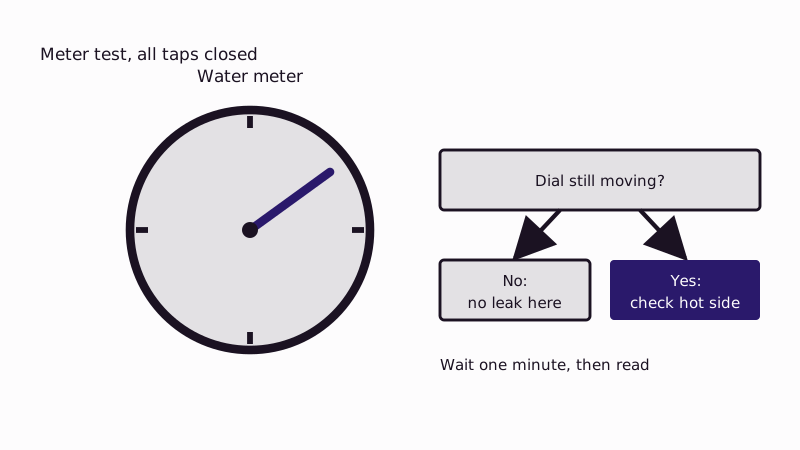
One test needs no tools. With all taps and appliances closed, stare at the water meter for a minute. If the dial keeps moving, water is escaping; if it is hot water, the heater keeps reheating replacements. Then switch the heater breaker off for a day and see how the usage on a smart meter or utility app changes. A large drop points at the heater.
What does a sticking thermostat or bad element cost to fix?
Fixr's national guide lists thermostat repair at $75 to $150 and element replacement at $200 to $750, labor included. Those are not Los Angeles rates. Parts cost little; the visit and labor make up the rest, and the power you stop wasting offsets part of it.
Your written quote sets the price. A scorched terminal block, shorted coil or failed thermostat should be pointed out to you. Element replacement steps walks through what the swap involves, including the rule that the tank is filled before power returns.
Does an old or sediment-filled tank use more power?
It can. A layer of sediment on the bottom insulates the lower element from the water and forces it to run longer, and scale on the element itself weakens heat transfer. Old tanks with thin insulation also lose more heat while idle, and that standby loss is paid for every hour of the day.
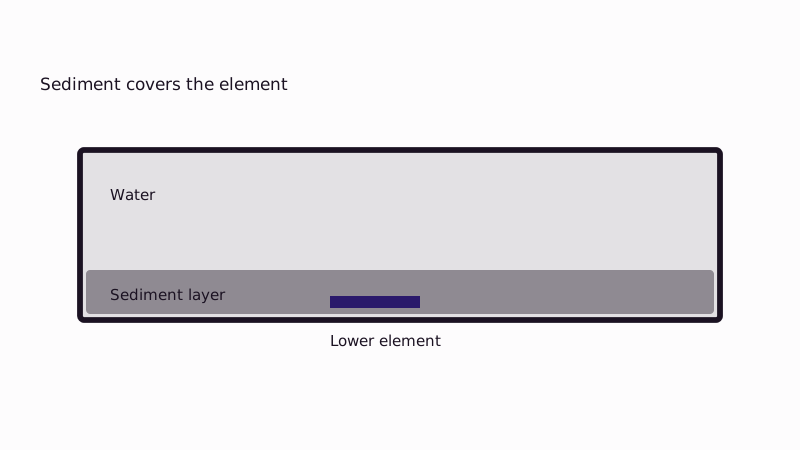
A flush and, if scale is heavy, a new element can recover efficiency. Once a tank is 12 to 15 years in, a new heater, particularly an efficient or heat pump model, may cost less over time than repairing a worn tank. Heater replacement timing covers age and warning signs.
Could a hot water leak be raising the bill?
Yes, and it hides well. A slow drip in a hot line, whether in a wall cavity, under a slab, or at a fixture, makes the heater replace the lost water and heat it again. A hidden one can announce itself as a floor that feels warm, a pipe that is hot in an odd place, or a meter that never stops. The EPA's household average for leaked water is above 9,300 gallons a year.
Hot-side leaks often come from pinholes in aging copper. If you suspect one, a leak detection visit finds it with listening gear or a camera instead of cutting walls. The page on leak help explains what that looks like.
Can an efficient replacement trim the bill for good?
It can, when the old tank is both worn and inefficient. Newer storage tanks leak less heat when idle. A heat pump model goes further by pulling warmth out of the surrounding air, which cuts its electricity use to a fraction of what a resistance heater draws. Some California utilities and state programs have offered rebates on heat pump models, so look at current offers before buying.
Weigh the install details as well: a heat pump unit needs open air around it and a spot with a condensate drain, and it may need a dedicated circuit. A plumber will measure the room and look at the panel. The comparison of tank and tankless types helps frame the choice, and the plumber should itemize permit and strapping costs in the quote.
Common questions
Will turning the water heater down save money?
Yes. A thermostat setting of 120 degrees Fahrenheit is common advice for most households, often lower than the factory setting on some units, and it reduces standby loss and scald risk. Check the setting, use a thermometer at a tap, and leave the unit at a temperature that meets your needs.
Would a gas heater raise the electric bill?
Not usually. A standard gas tank has no electric heating elements and uses only a trivial amount of electricity, if any. Power-vent and tankless gas models use a fan and controls, but their draw is small. A high electric bill with a gas heater points to other appliances, such as the HVAC system.
How long does finding the cause take?
A plumber can check thermostats, elements and obvious leaks during one visit. A hidden leak or intermittent fault can take longer. Bring recent bills and note when the increase began, since that date often lines up with a change such as a new tenant, a power surge, or a thermostat reset.
What is worth asking before booking?
What the diagnostic fee covers, whether parts are priced separately and whether the failed part is shown to you afterward. California requires a contractor license for work of $1,000 or more, so check the license on the state board site, and keep the estimate in writing.
Is someone needed on site for the diagnosis?
An adult should unlock the way to the heater and the panel. The inspection itself is short. Put the heater's age, fuel and the size of the bill jump on the quote page, which helps the plumber bring the likely parts to the first visit.
This guide is one of many on plumber in Santa Monica.
Sources used
Page updated